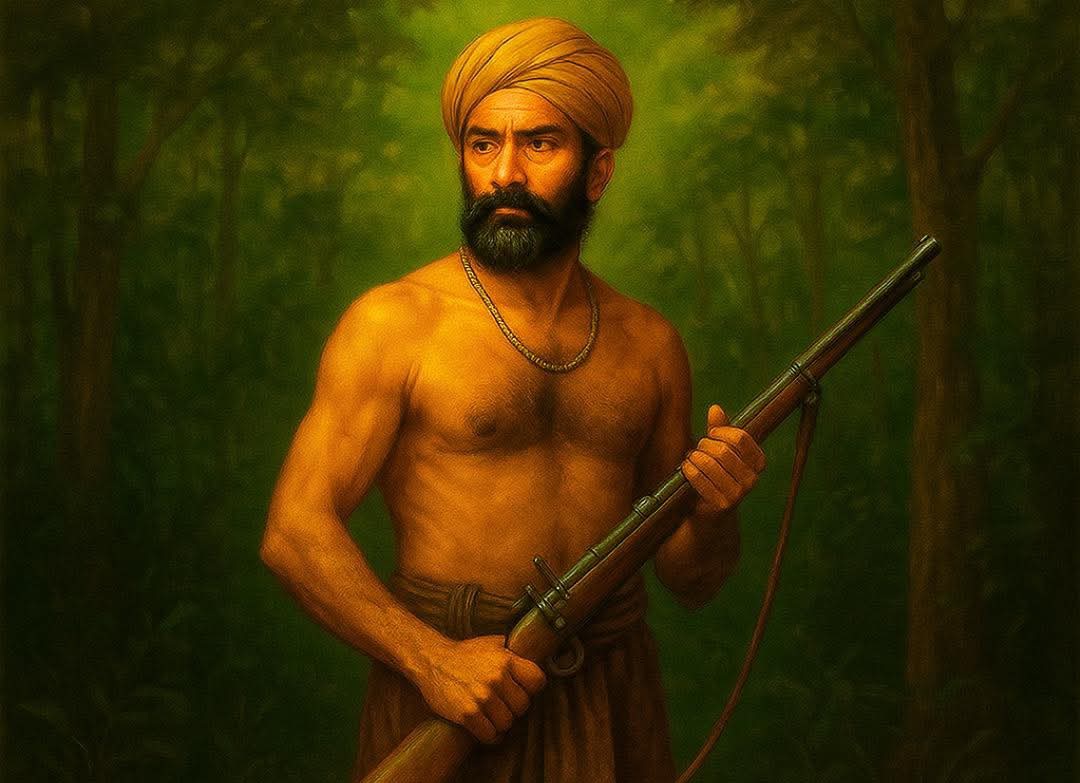
When bravery met ritual—celebrating every 40th tiger with a ‘tiger marriage’
Over a century ago, in the lush forests of Sullia Taluk…
Fakhir Gowda emerged as a hunter of legendary renown, credited with slaying over 2,000 tigers. His bravery was celebrated in a dramatic ritual known as Pili Māḍime (“tiger marriage”)—a ceremony held every 40th tiger hunt. For each milestone, Fakhir was adorned in full groom regalia, draped in traditional ornaments and ceremonial attire symbolizing valor. Carried in procession, he marched alongside the slain tiger, whose body rested in an ornate wooden carrier, in a solemn yet triumphant declaration of courage and strength. These folkloric traditions from Tulunadu echo through time, reminding us of the profound—and often complex—relationships between humans and the wild.
Over a century ago, in the lush forests of Sullia Taluk…
Fakhir Gowda emerged as a hunter of legendary renown, credited with slaying over 2,000 tigers. His bravery was celebrated in a dramatic ritual known as Pili Māḍime (“tiger marriage”)—a ceremony held every 40th tiger hunt. For each milestone, Fakhir was adorned in full groom regalia, draped in traditional ornaments and ceremonial attire symbolizing valor. Carried in procession, he marched alongside the slain tiger, whose body rested in an ornate wooden carrier, in a solemn yet triumphant declaration of courage and strength. These folkloric traditions from Tulunadu echo through time, reminding us of the profound—and often complex—relationships between humans and the wild.